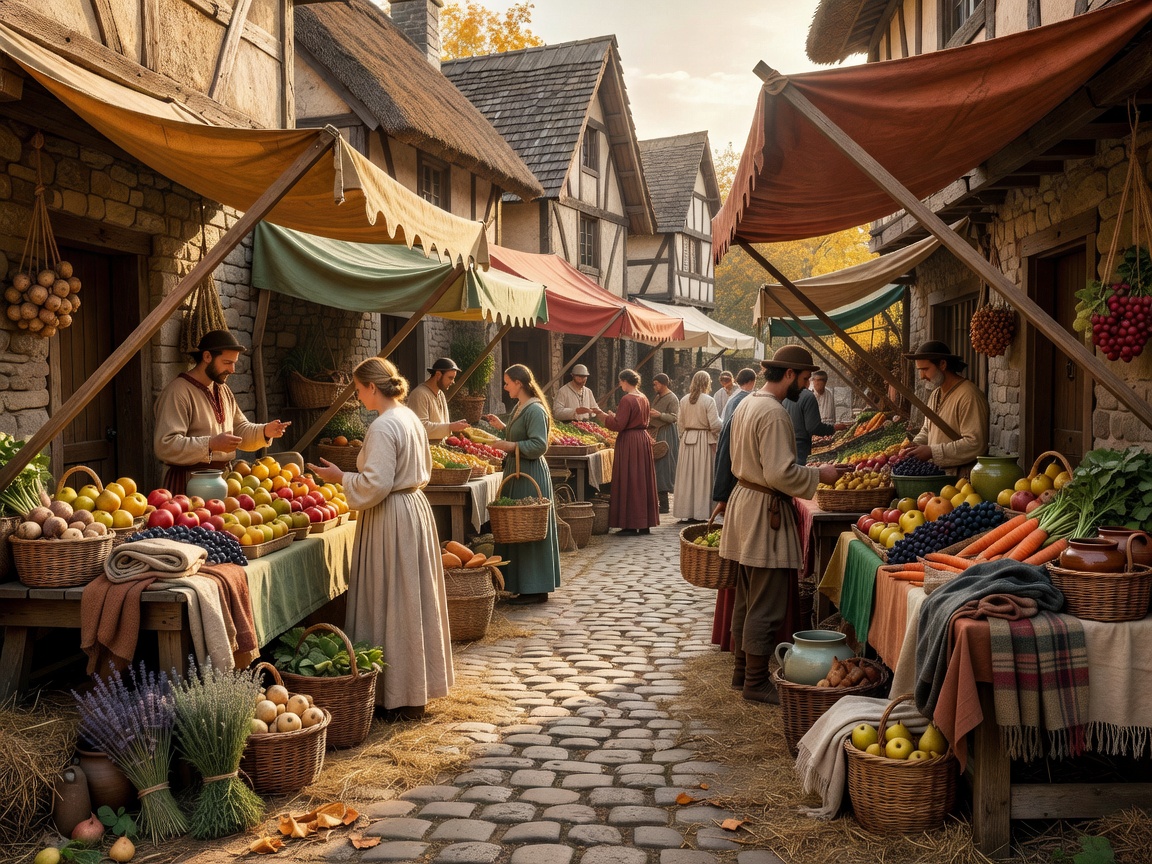
Season changes the market format
Alpine weather varies sharply with elevation and location. Winter conditions can affect roads, walking surfaces and whether an event uses an indoor hall. Spring brings gradual changes rather than a single region-wide start. Summer often supports outdoor activity, while autumn can shift attention toward harvest and stored foods. These are general tendencies. Local organizers set actual dates, hours and formats.
Separate a recurring weekly market from a seasonal event. A weekly market may operate through part of the year with changes to stall mix. A special event may be occasional and subject to weather or local programming. Search for the organizer’s latest notice, then confirm the date close to departure. Do not assume an old listing is current.
Four-season comparison
Winter
Products: Preserves, baked goods and durable items may be more visible.
Format: Indoor trading or compact outdoor events may suit local conditions.
Plan: Check snow, daylight, walking access and current operation.
Spring
Products: Early greens and stored crops can overlap; availability is local.
Format: Outdoor schedules may return in stages.
Plan: Pack for variable weather and verify seasonal reopening information.
Summer
Products: A broader fresh selection may be available, depending on altitude and growing conditions.
Format: Squares and streets can host more outdoor trading.
Plan: Check crowding, shade, transport demand and event restrictions.
Autumn
Products: Harvest crops, storage foods and preserved goods can feature.
Format: Some markets move indoors or reduce frequency as conditions change.
Plan: Confirm the market is running and allow for wet or cold weather.
Products follow local availability
Growing seasons are influenced by elevation, aspect, soil, water and local production. A produce stall in a lower valley may differ from one in a higher settlement at the same time of year. Preserved foods extend availability, but recipes and product names vary. Ask sellers about ingredients and origin when those details matter to your purchase.
Seasonal labels should be read carefully. A seasonal event is not proof that every product is local, and a product available at a market may have been produced elsewhere. Packaging and seller information can help. If the origin is unclear, ask directly rather than relying on the event theme.
Indoor and outdoor considerations
Indoor markets can provide shelter and more predictable walking conditions, but access arrangements differ. Outdoor markets may offer a wider use of public squares and streets, but exposed sites can be windy, wet or uneven. Neither format guarantees step-free access, seating or accessible toilets. Confirm these details with the organizer or venue before travelling.
Opening patterns are not universal. Some markets recur on a regular day; others operate only during a season or as part of a local event. Public holidays, weather and organizer decisions can change schedules. This guide does not publish unverified event dates. Always consult a current official listing.
Practical planning
- Choose the season for the products and setting you want to explore.
- Check the current market notice, address, hours and cancellation updates.
- Confirm indoor or outdoor format and access conditions.
- Review weather and transport information on the day.
- Leave time for local travel and do not build a trip around an unconfirmed event.
Good for
- Visitors comparing the feel and practical demands of each season.
- Food-focused trips timed around local availability.
- Travelers who need an indoor option or weather backup.
What to know
- Seasonal guidance describes general patterns, not confirmed schedules.
- Availability differs between valleys and elevations.
- Verify dates, opening times and access with a current official source.